Regular attention to a lock can extend its life and reduce emergency calls. Between car lockout recoveries and rekey jobs, I have seen patterns that make maintenance predictable and actionable. When customers call a locksmith near me, many incidents could have been avoided with a quick quarterly check.
How locks fail and what to watch for.
A surprising share of breakages begin with a minor binding or a soft click that people dismiss. Lubricant dried into a gummy residue, or grime pushed deeper by repeated key insertion, is often the reason a lock that used to be smooth becomes stiff. A latch or strike plate installed out of alignment forces the bolt to scrape, which wears the bolt face and the striker plate quickly.
Repeated use slowly flattens correctly cut edges, and a key that used to operate a lock smoothly can begin to shim or jam. Expansion and contraction can change clearances and let salt air promote corrosion, especially on exterior hardware.
What to inspect during a quick lock check
Make a habit of inspecting each exterior lock at least every three months. Check that screws are tight, the strike plate is centered, and the door closes without scraping the jamb. A smooth key turn while the door is closed, and again while it is latched, reveals whether the bolt path changes under tension.
Inspect weatherstripping and thresholds that affect door alignment. A slightly chewed key is a warning, and carrying on invites a broken key inside the cylinder that requires extraction and possibly cylinder replacement.
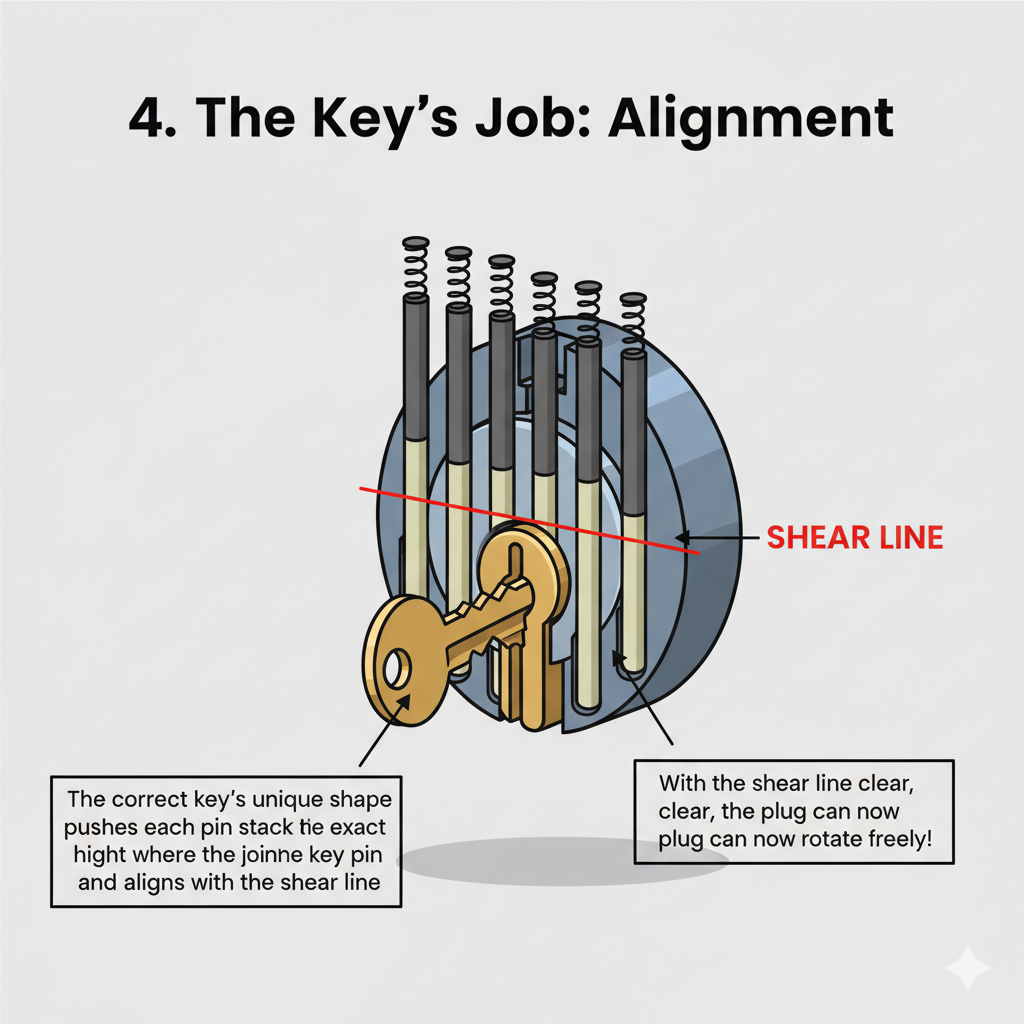
Lubrication: what to use and what to avoid.
Use a dry graphite or Teflon-based lubricant for lock cylinders rather than oil or grease. If someone has already used oil, a professional cleaning is sometimes necessary to remove the residue safely. For latch bolts and exterior hardware, a light application of silicone lubricant on moving parts is appropriate and resists water better than oils.
How to choose between rekey locks and change locks outright
If you have a lost key or tenant turnover, rekey locks reassign the pinning so old keys no longer work and usually costs less than full replacement. When a lock shows pitting, seized parts, or past tampering, cylinder replacement is safer than rekeying an unknown wear profile. Professionals have extraction tools and experience to avoid scoring the plug or ruining the door jamb.
Car lock and key care specific to fobs and ignition systems.
Replacing the fob battery annually or checking when you notice sluggish button response prevents most electronic lockouts. If you already have a remote start or keyless system, keep a clean spare key and know how to use the emergency mechanical key that is often hidden inside the fob. Ask for proof of ownership before service, and keep spare keys in a safe place rather than a glovebox that gets locked accidentally.
When an upgrade is worth the extra expense
If you prefer minimal maintenance, a good mechanical high-security cylinder may be lower maintenance overall. Grade 1 hardware meets higher durability and attack-resistance tests and is worth the cost on exterior commercial doors and high-traffic residential entries. Electronic access panels, card readers, and managed credentials stop unauthorized duplicates but require backups and periodic audits.
Field-tested routines that save time and money for homeowners and property managers.
Water exposure is the most frequent cause of fast corrosion, especially around coastal areas and older properties. If a tenant moves out or an employee leaves, schedule rekeying promptly rather than waiting for a perceived quiet period. Take the extra 20 minutes to set the strike plate correctly and test the bolt travel before finishing trim work.
How to prepare for a locksmith appointment and what tasks professionals handle.
Forcing a key or using pliers often worsens the problem and increases emergency locksmith in Orlando Florida 24 hours the bill because extraction and repair become necessary. Expect a professional to ask for proof of ownership, to explain options and estimated costs, and to use purpose-built tools to minimize damage to your door. For vehicles, a car locksmith will confirm make and model, verify ownership, and provide on-site diagnostics that may include key programming or ignition repair.
Regular lock maintenance is one of the most cost-effective safety investments for homes, cars, and businesses. Doing the basics yourself and bringing a professional in when needed keeps systems secure without overpaying for unnecessary replacements or upgrades.